Propylene glycol Does not pass a hair drug test
|
Discover the truth about Propylene Glycol! It's everywhere, from dog food to cosmetics to vape juice. But what exactly is it? Propylene glycol is a common ingredient used as a wetting agent, attracting and holding water molecules. Contrary to popular belief, propylene glycol it is not a super secret weapon for detoxing drugs from your hair. It's simply a wetting agent, nothing more.
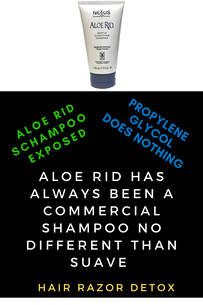
Don't fall for the marketing gimmicks! The History of the propylene glycol myth It was created by a shampoo peddler that needed a angle when the product he was selling was being discontinued. ALOE RID by nexxus was continued in 2006 everything since is %100 counterfeit . Aloe rid was never more than a commercial shampoo so they invented a bar code and propylene glycol myth . then a "method" of random household items to do what the super special bar code shampoo that cost 150 to 230 a bottle apparently doesn't do . I know none of you were around back then so you can read the history HISTORY OF THE ALOE RID SCAM ? Commercial shampoos like Aloe Rid claiming to have special properties are often misleading. The active ingredient in clarifying shampoos, including Aloe Rid, is EDTA. It's time to debunk the myths that have been circulating for years. Educate yourself and make informed choices. Don't be fooled by the blind leading the blind. Take control of your hair care regimen based on accurate information, not marketing angles. |
|
|
THE SCAMPOO SELLERS ARE LYING TO YOUR FACE AND CHARGING YOU BIG TIME FOR IT .
Buy a 5.00 bottle of swimmers shampoo and a little bottle of Propalyne Glycol from a vap juice supply store 10.00 and it would have 100 times more PG than any super special bar code snakeoil.
Them Aloe shampoos all say for light use and if you have real use you need to do a METHOD which is just a made up list of crap to TRY do what the shampoo cant. Which means they don't actually FORMULATE the shampoo they sell. Otherwise they would put whatever magic they think is in tide or zit wash and just put it in the shampoo . DUHH . ALL METHODS ARE MADE UP TO SELL YOU SCAMPOO What exactly is "scampoo"? It's any shampoo that claims to have a mythical ability to wash away drugs, yet it requires additional laundry detergent and zit wash to supposedly work. The truth is, these so-called "macujo methods" have no proven efficacy. Not only do they cost you more than proven treatments like Hair Razor, but they also cause damage to both your hair and your wallet. You'll never come across any pre and post-test results that prove the hair was actually dirty in the first place, let alone demonstrating that these methods were effective. Additionally, there is no scientific evidence to support the notion that aloe rid has any significance in these methods when compared to using a common brand like Suave with the same method. Don't fall for the false claims and empty promises. Choose proven treatments backed by evidence, and protect both your hair and your finances. |
|